



In honor of Milād al-Nabī—the birth anniversary of the Prophet Muḥammad⁽ˢ⁾, a tradition first institutionalized under the Fatimid Ismāʿīlī Imām-Caliphs and commemorated today by Shīʿī Ismāʿīlīs and other Muslims around the world—we present this abridged reference edition of our longer Ismaili Gnosis article, “The Prophet Unveiled: What the Qur’an Says about the Prophet Muhammad (ﷺ).”
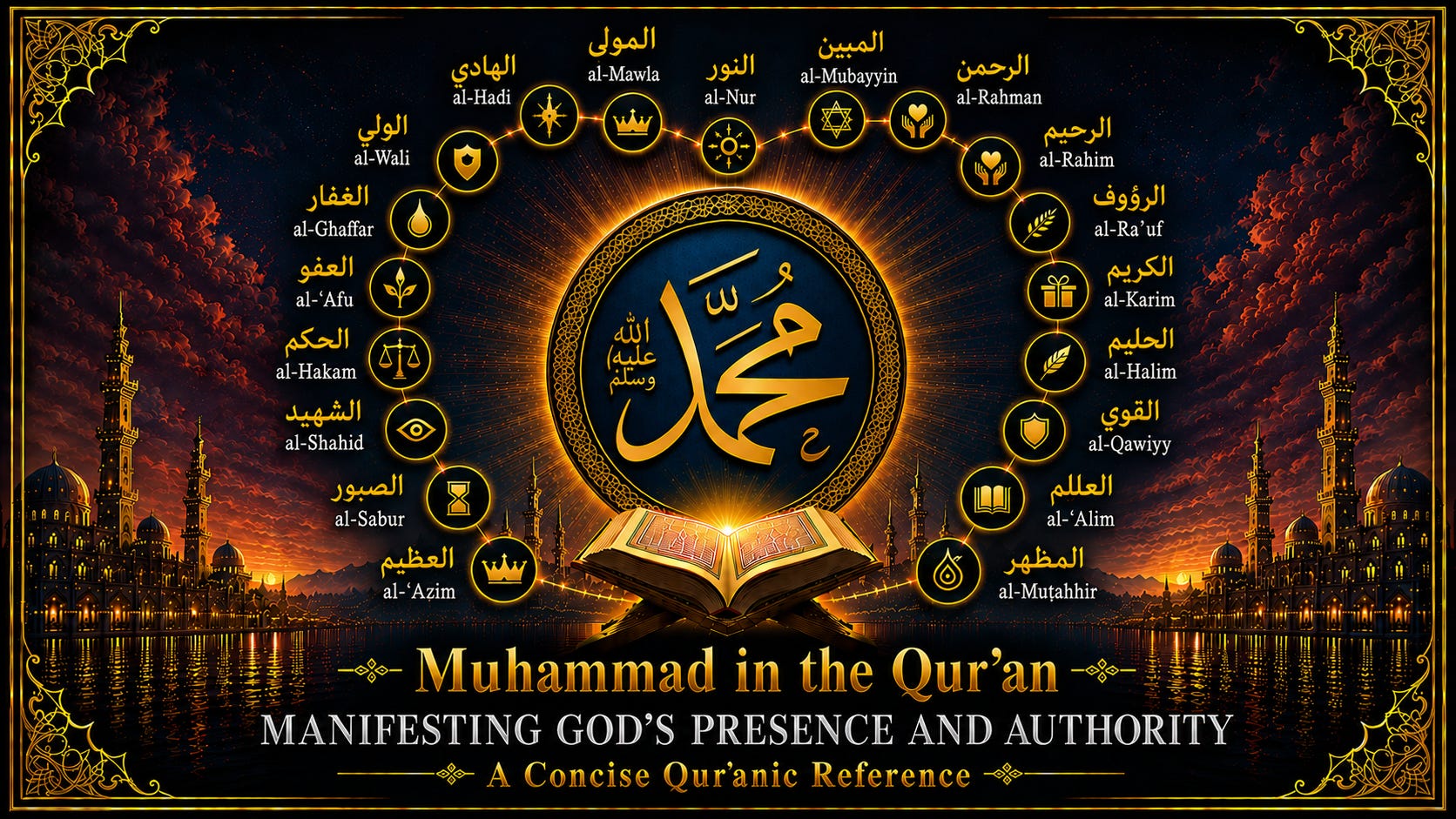
This edition presents two enhanced lists from the original article, allowing readers to survey at a glance the Qur’ānic evidence for the Prophet’s exalted status, spiritual functions, and relationship to the Divine Attributes. Taken together, the lists illuminate a central feature of the Qur’ānic portrayal of the Prophet: Muḥammad⁽ˢ⁾ is presented as far more than a passive conveyor of God’s words. The Qur’ān associates him with Divine attributes, authority, and spiritual functions, presenting him as a locus through which God’s presence and authority are manifested in the world.
The question that follows is how these spiritual functions—and the Divine guidance they embody—continue to remain present for humanity after the Prophet’s departure.
The Relationship between God’s Attributes and the Prophet Muhammad⁽ˢ⁾
God is al-Raḥmān (The Compassionate / The Merciful), and the Prophet is raḥmah (mercy) (21:107).
God is al-Raḥīm (The Merciful), and the Prophet is raḥīm (merciful) (9:128).
God is al-Ra’ūf (The Kind), and the Prophet is ra’ūf (kind) (9:128).
God is al-Karīm (The Generous), and the Prophet is karīm (noble/generous) (69:40; 81:19–21).
God is al-Nūr (The Light), and the Prophet is a nūr from God and a radiant lamp (sirāj munīr) (5:15; 33:46).
God is al-Ḥalīm (The Forbearing), and the Prophet is ḥalīm (forbearing) (11:75).
God is al-Qawiyy (The Strong), and the Prophet possesses dhū al-quwwah (power/strength) (81:20–21).
God is al-‘Ālim (The Knower), and the Prophet is the teacher (mu‘allim) of the Book, Wisdom, and knowledge (62:2; 3:164; 2:151).
God is al-Ṣabūr (The Patient), and the Prophets are characterized by patience (ṣabr) (38:16; 46:34).
God is al-Shahīd (The Witness), and the Prophet is shahīd (witness) over humankind (2:143; 33:46; 4:41).
God is al-Walī (The Guardian), and the Prophet is the walī of the Believers (5:55).
God is al-Ghaffār (The Forgiver), and the Prophet is a means through which the Believers receive forgiveness (4:64; 63:5; 3:159; 60:12).
God is al-‘Afū (The Pardoner), and the Prophet pardons the Believers (5:13; 3:159; 7:199).
God is al-Hādī (The Guide), and the Prophet guides to the Straight Path (45:25).
God is al-‘Aẓīm (The Great), and the Prophet possesses a sublime character (khuluq ʿaẓīm) (68:4).
God is al-Ḥakam (The Judge), and the Prophet is the judge of the Believers (4:65; 4:105; 24:51; 33:36).
God is al-Mubayyin (The Clarifier), and the Prophet makes things clear (5:75; 24:58; 5:15; 5:19; 16:44; 16:64; 14:4).
God is al-Muṭahhir (The Purifier), and the Prophet purifies the Believers (4:49; 33:33; 9:103).
God is al-Mawlā (The Master), and the Prophet holds awlā (greater authority) over the Believers (33:6).
God is al-Muḥyī (The Giver of Life), and the Prophet summons the Believers to that which gives them life (8:24).
God recites His Signs, and the Prophet recites God’s Signs (2:252; 3:108; 2:151).
God sends ṣalawāt (blessings), and the Prophet sends ṣalawāt upon the Believers (9:103).
God accepts ṣadaqah, and the Prophet receives ṣadaqah (9:104; 9:103; 58:12).
God brings people from darkness to Light, and the Prophet brings people from darkness to Light (2:257; 14:1; 14:5; 65:11).
Whoever gives their allegiance (bayʿah) to the Prophet has given their allegiance to God (48:10).
God commands the right and forbids the wrong, and the Prophet commands what is lawful and forbids what is wrong (66:6; 7:157).
When the Prophet threw, it was God who threw (8:17).
The Status of Prophet Muhammad⁽ˢ⁾ in the Qur’ān
The Qur’ān presents the Prophet as:
inspired by the Holy Spirit (42:52, 26:192–194)
a mercy (raḥmah) to the worlds (21:107)
merciful (raḥīm) and kind (ra’ūf) to the Believers (9:128)
a light (nūr) from God and a radiant lamp (sirāj munīr) (5:15, 33:46)
gentle (ḥalīm) like Prophet Abraham⁽ᶜ⁾ toward the Believers (11:75)
the possessor of power (dhū al-quwwah) (81:20–21)
the teacher (mu‘allim) of the Book, Wisdom, and what the people did not know (62:2; 3:164; 2:151)
a witness (shahīd) over humankind on the Day of Judgment (2:143; 33:46; 4:41)
the guardian (walī) of the Believers (5:55)
one who prays for the forgiveness of the Believers (4:64; 63:5; 3:159; 60:12; 24:62)
one who guides the Believers to the Straight Path (45:25)
one whose nature and character are sublime (ʿaẓīm) (68:4)
one who makes the truth clear to the Believers (5:15; 5:19; 16:44; 16:64; 14:4)
one who purifies and sanctifies the Believers (9:103)
one who holds authority (awlā) over the Believers (33:6)
one who summons the Believers to that which gives them life (8:24)
one who recites the Signs of God to the Believers (2:151)
one who sends ṣalawāt (blessings and prayers) upon the Believers (9:103)
one who receives offerings (ṣadaqa) from the Believers (9:103, 58:12)
one who brings people from darkness to Light (14:1; 14:5; 65:11)
an excellent example and beautiful model for the Believers (33:21)
one who is to be greatly respected and venerated (48:9, 49:1–3)
one who commands what is lawful and forbids what is wrong (7:157)
one whose allegiance is equated by God with allegiance to Him: “those who give their allegiance (bayʿah) to you have indeed given it to God” (48:10)
one whose obedience is equated by God with obedience to Him: “whoever obeys the Messenger, indeed obeys God” (4:80, 4:64)
The Need for Prophet Muhammad⁽ˢ⁾’s Successor
The spiritual functions described above go far beyond the Prophet Muḥammad⁽ˢ⁾’s role of simply reciting and proclaiming the Qur’ān. They belong to the domain of walāyah (spiritual guardianship), rather than legislative prophecy (nubuwwah), which concerns the delivery of Divine revelation.
Consider just a few of these functions. During his lifetime, Muḥammad⁽ˢ⁾ guided the Believers on God’s behalf, prayed for their forgiveness (4:64), accepted their offerings and purified them (9:102–104), sent blessings upon them for their tranquility (9:103), judged between them (4:65), and accepted their obedience on behalf of God. If these were essential spiritual functions for the Believers during the Prophet’s lifetime, does it not follow that someone must continue to perform them after his departure? If not, why would God provide such guidance to one generation while leaving countless generations afterward without it? Divine justice would require that His guidance remain accessible in every age.
The Prophet’s status as the Seal of the Prophets therefore signifies the conclusion of scriptural revelation and legislative prophecy, not the end of Divine inspiration (ta’yīd) or spiritual guardianship (walāyah). Without their continuation, humanity would be deprived of the living Divine guidance necessary for its spiritual progress.
The successor of the Prophet with respect to ta’yīd and the functions of walāyah — the one who continues to guide the Believers on God’s behalf, pray for their forgiveness, accept and purify their offerings, send blessings upon them, judge between them, and accept their obedience—is therefore the hereditary Ismāʿīlī Imām from the progeny, or Ahl al-Bayt, of Prophet Muḥammad⁽ˢ⁾.
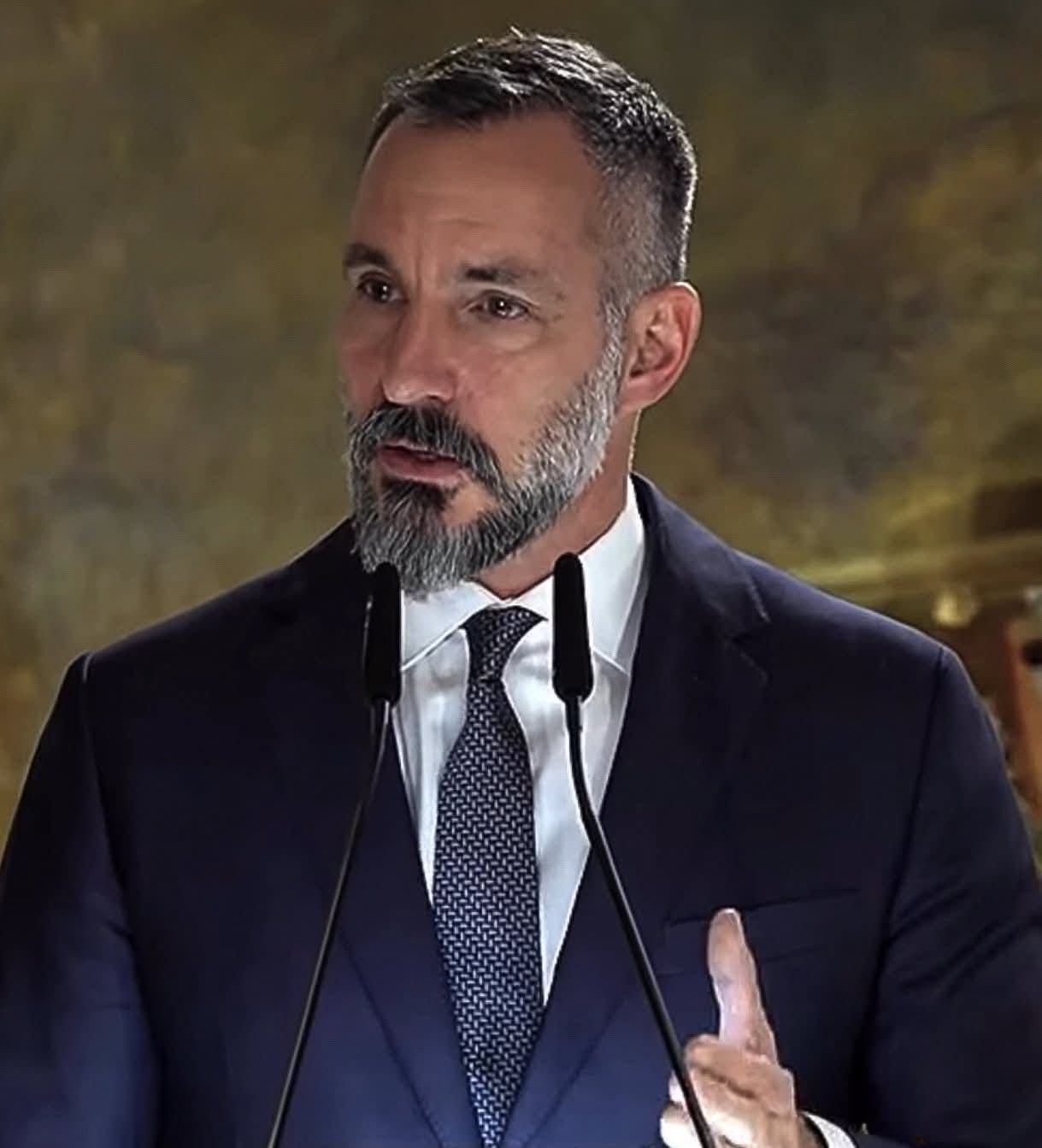
“Our faith teaches us that…Prophet Muhammad (peace be upon him) was the final messenger of Allah, and that Allah’s message is universal and for all time. The guidance you have received from your Imams since the time of Hazrat ‘Ali is rooted in Allah’s final message.”
— Imam Shah Rahim al-Husayni⁽ᶜ⁾
(Lisbon, Portugal, Dec. 4, 2025)
Ya ‘Ali Madad,
Ismaili Gnosis
August 26, 2026
Follow on Instagram:
ismailignosis | ismailignosis.blog
Access Full Content
on Ismaili Gnosis
Know someone who would enjoy
full access to Ismaili Gnosis?
Support Our Mission
“Whether you are giving to an Imamat institution or to any other organization which works for good, these are the same in my eyes. All giving is an act of faith. All giving is of spiritual benefit.”
— Imam Shah Rahim al-Husayni⁽ᶜ⁾
(Dallas, Texas, November 10, 2025)
Ismaili Gnosis is a U.S.-registered 501(c)(3) nonprofit. Your voluntary donation supports research and educational content and is separate from paid Ismaili Gnosis subscriptions offered through Substack.
